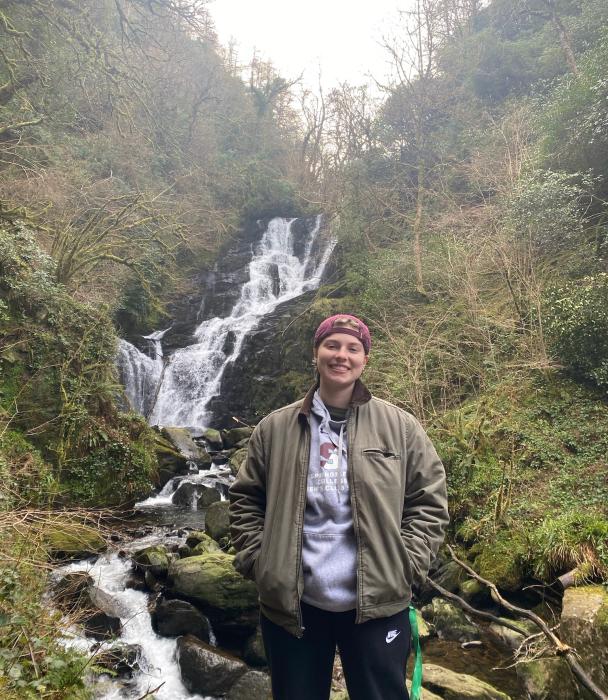
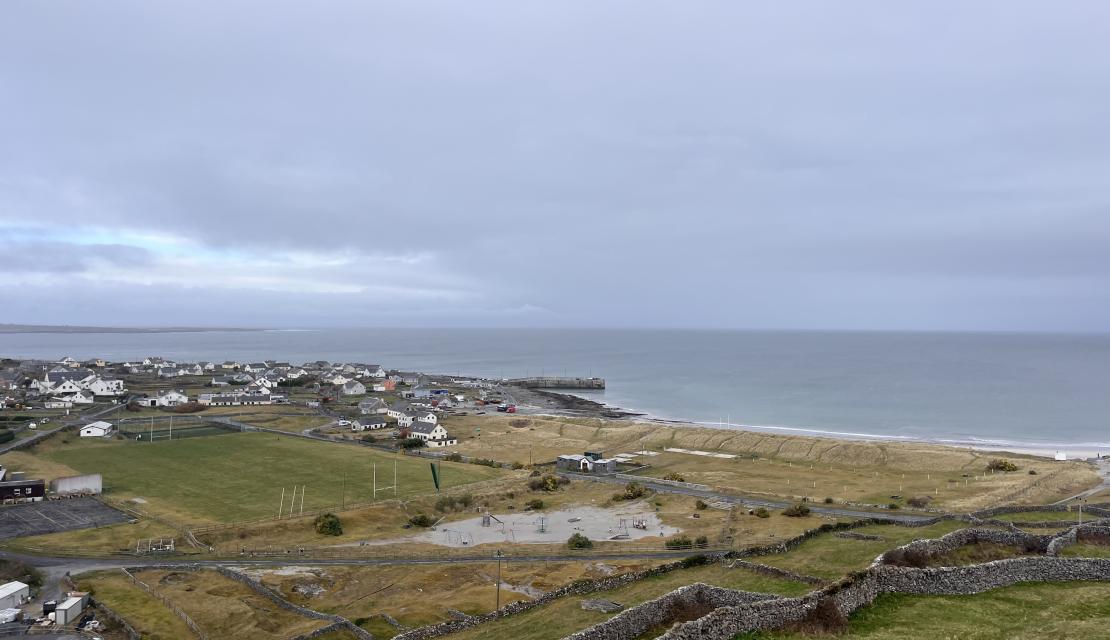
Ava Becker remembers when their sister studied abroad during her college years. With their own study abroad opportunity in spring 2025 in Limerick, Ireland, Ava grew to be more independent and be more open to new experiences, among other benefits. They had successfully pitched the idea of combining an internship with traditional study abroad opportunities through the University of Limerick. Learn about Ava’s adventures overseas and how it all came together.
Growing up, I was one of three children. My sister Zoe is four years older than me, and when I was a sophomore in high school, she was studying abroad in Florence, Italy, for her sophomore year of college. She would always send pictures and videos, share numerous stories, and emphasize to both my twin sister Sasha and me that studying abroad was one of the best decisions she had ever made, both for her academics and her personal experience. Studying abroad also gave me the unique opportunity to immerse myself in a culture outside the U.S. I experienced how a school like the University of Limerick (UL) educates its students across its academic and extracurricular activities.
As part of my undergraduate degree of being a PPAT major, I need to complete a 90-hour internship as well as an immersive 400-hour internship. I at first was interested in studying abroad and just wanted to see if that was even possible as no one had done it from our program before due to the sheer amount of work and lack of flexibility in the sequencing guide. However, as I came in with some credits and overloaded my early semester (first year and fall of sophomore year), I was able to clear room in my schedule to complete some general education credits as well as my Themed Exploration credits abroad. To stay inline with my sequencing guide, I also needed to complete both Public Health and Nutrition Abroad.
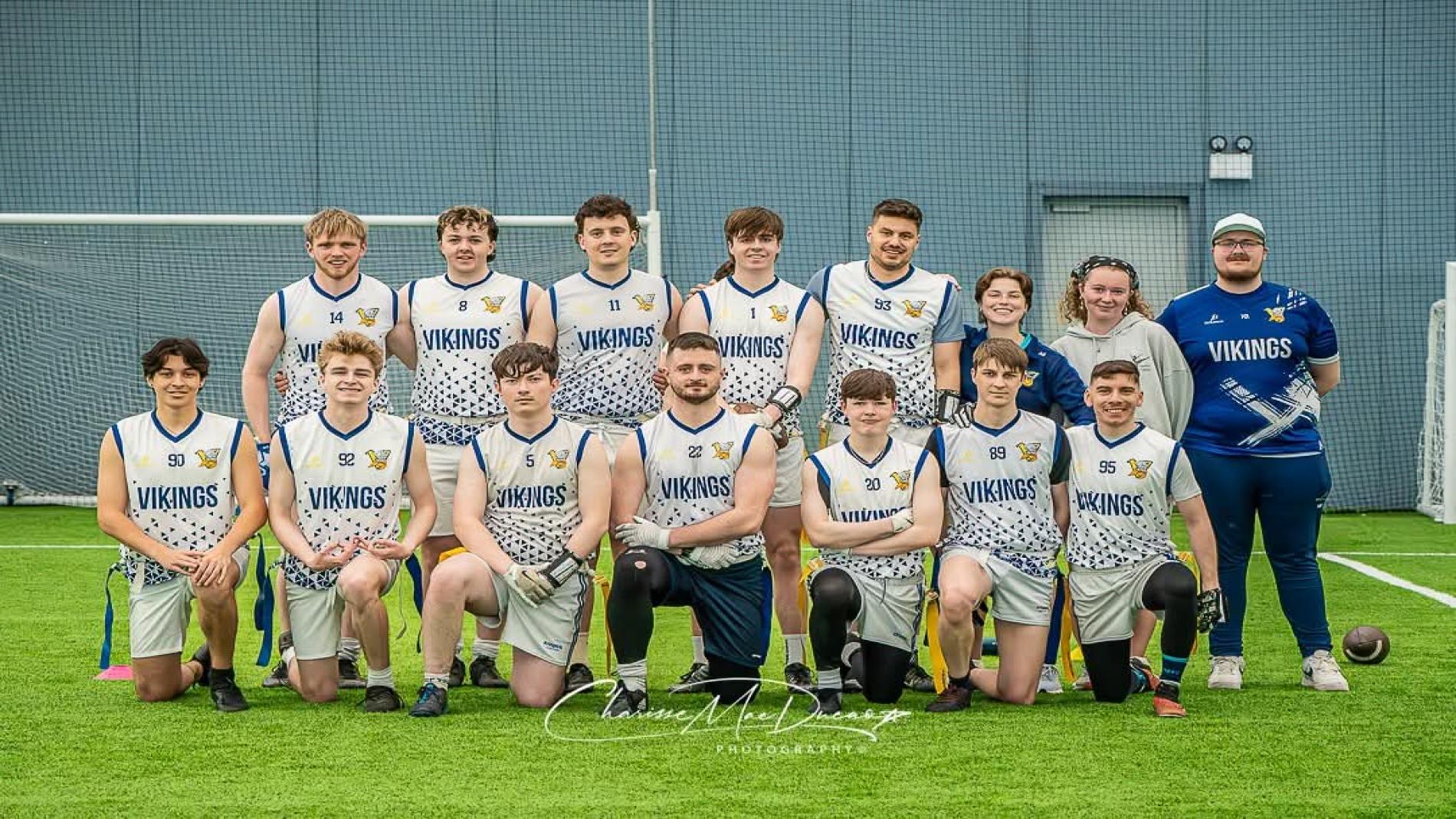
I first reached out to rugby through Charles Cunningham (my advisor/supervisor I worked with at UL), but rugby was out of season. We settled with football as it was transitioning into season and I would be able to help on a strength and conditioning side to develop warm-ups, drills, and programs for the players that can be used during the transitional period of in-between seasons as time progressed and we moved into the actual season.
After numerous back-and-forth emails and connections both on campus and with those at UL, we scheduled a call to further discuss what this internship would look like and entail, while also giving everyone involved the chance to meet and get to know each other.
This internship was my 90-hour AEXS 350 course requirement (internship I) to complete an exercise science-related internship. I decided on going with strength and conditioning as this was the most unfamiliar territory of all the choices for me (other options included private practice and clinicals). I wanted to be able to challenge myself but knew that this would also provide me with the opportunity to really work with the group I want to (athletes!) as private practice and clinicals tend to have individuals from all groups (adolescents, geriatric, etc). Heather Gilmour, associate professor of Sport Management and chair of the Department of Sport Management and Recreation, was a big help in helping me coordinate with those at UL to get any additional information that Springfield College needed to make this internship and entire study abroad experience happen. With the University of Limerick Vikings, an American football team that competes across Ireland with other American Football clubs, I worked as a strength and conditioning coach where I helped develop, conduct, and demonstrate warm-ups/cool-down programs, drills, and any other assists needed with the team and coaches. I was there able to grow professionally and expand my skills, such as public speaking, problem solving, and so many more.
My internship with the University of Limerick Vikings was a highlight in itself. There were some key moments that made it that much more special. For instance, I looked forward to every practice where I was greeted by all the players, coaches, etc., and all their Irish banter. They treated me like a coach when needed, but at other times, I felt like a true team member. I started extremely nervous about leading each practice/game warm-up and cool-down, but it became one of my favorite things.
I looked forward to team huddles and having them follow along, as I knew both Maya Laughterbach and I, my other internship partner, had created a well-rounded and efficient warm-up/cool-down program that works best for our players' bodies and goals. I also really enjoyed the unique challenge of designing a program with an intent in mind, such as sled pushes for football players, without equipment like a sled. However, Maya and I put our heads together and realized that the cart transporting the pop-up football dummies could be used similarly to a sled push. As we needed to use those pop-ups for other drills, we had coaches holding the weight on the cart, which provided two benefits: a cart with accurate weight for the players to push, and constant motivation as the coaches are about 3 feet above the players.
Studying at the University of Limerick gave me an amazing opportunity to apply my classroom knowledge, from strength and conditioning to the basics of exercise science and athletic training. Being a strength and conditioning coach gave me a unique opportunity to improve my communication with athletes and public speaking. I was further exposed to real injuries and emergent scenarios that I needed to respond to accordingly. I also learned about a very important overlap between the requirements of a strength and conditioning coach and an athletic trainer, including the need to monitor athletes, such as through soreness check-ins. These “soreness check-ins” involved more than just asking athletes if they were physically sore. I would also assess how their bodies were feeling, looking for areas of tightness,fatigue, or potential injury risks. Furthermore, I would make an effort to check in with them mentally and emotionally. This included asking how their day was going, how they were managing school, and how they were feeling overall. With this approach, I was able to better understand each athlete’s readiness to train, which enabled me to adjust warm-ups and recovery strategies accordingly. I continued to build trust and stronger relationships with players, which was essential for both the team's and my own success.
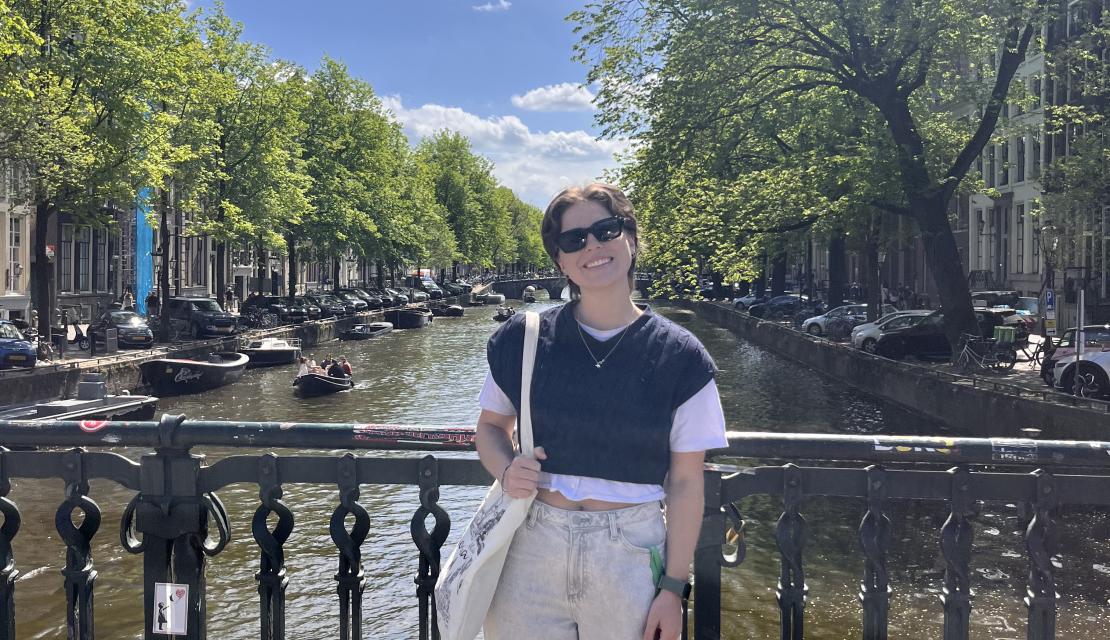
I learned to problem-solve by living and traveling in Ireland, as well as develop my own autonomy. I pushed myself to become more independent and adaptable. I enjoyed learning to adjust to a new environment, new people, and even different approaches to sport. It helped me grow in confidence and be more open to new future experiences that come knocking at my door.
About the author
Ava Becker is a junior in the Athletic Training program at Springfield College. They are involved in campus organizations, including Student Advocates for Wellness and Campus Recreation, where they enjoy connecting with others and supporting student health. They are passionate about helping people in any way they can and bring a kind, empathetic, and communicative approach to everything they do. Ava is committed to personal growth, advocating for positive change, and making a lasting impact through their work and relationships.