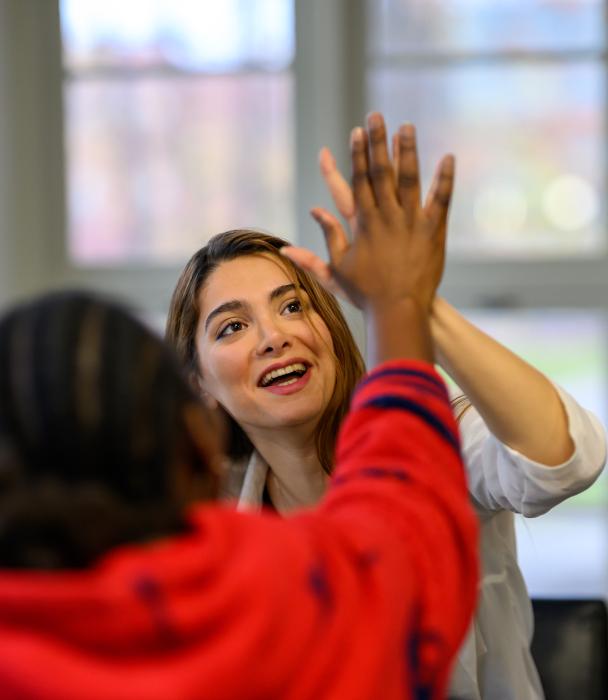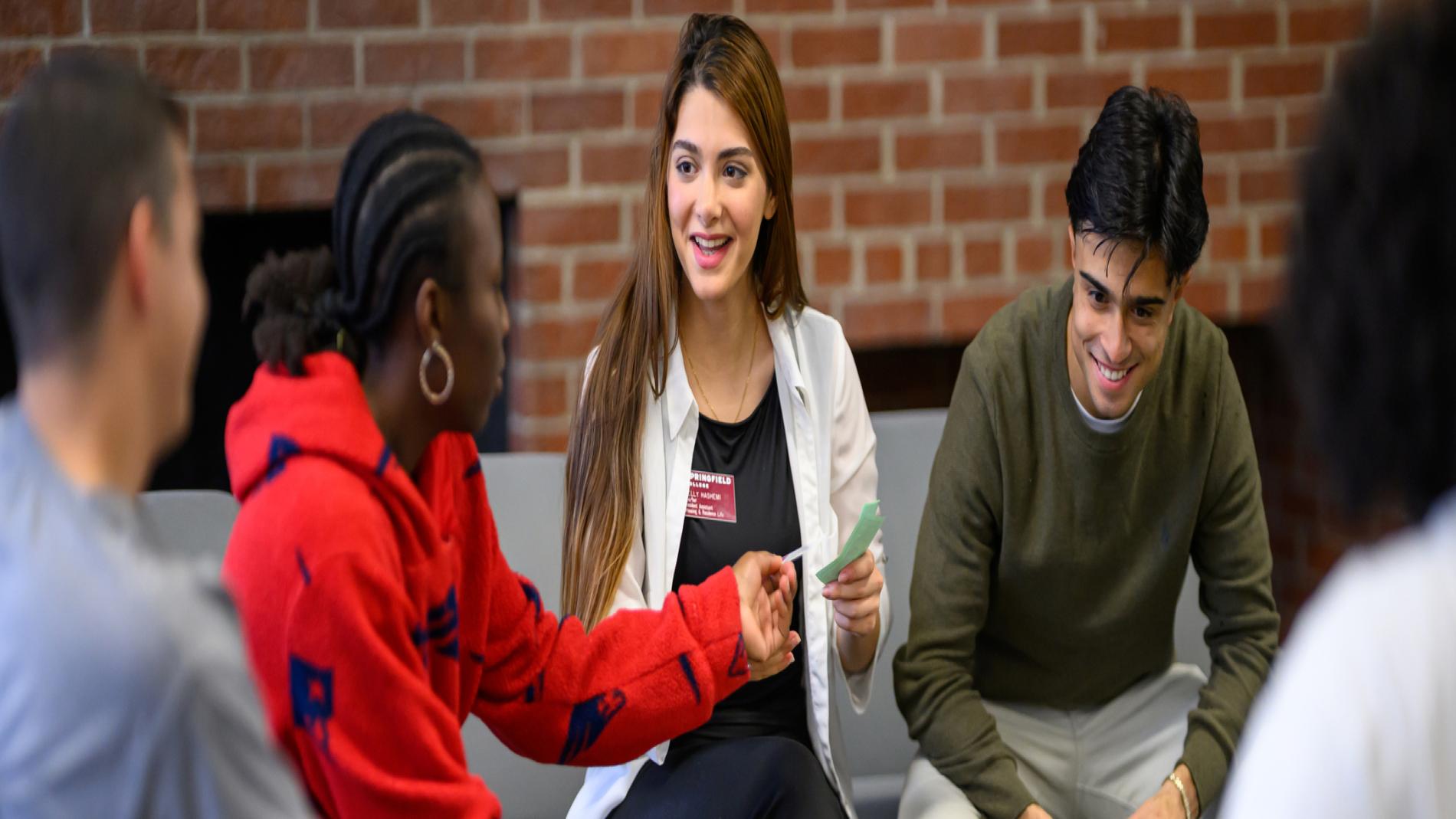
Just a year into her education at Springfield College, Nozhan “Nelly” Hashemi realized she could help others adjust to their new environment and experiences right where they lived. During her first year when she became aware of what a resident assistant (RA) does and how that person was a resource for her, Nelly decided that she wanted that same opportunity to help others. As a human being, she sees it as her responsibility to learn, to guide, and to help someone when they’re going through something difficult or just need a little guidance. Read on about how being an RA provided her with that opportunity.
When I first arrived at Springfield College from Iran, the campus felt incredibly large. I was not only adjusting to new classes, but to a whole new culture, a new language, and a new home. I never imagined that, a year later, I'd be the one who would help other students find their footing. In fact, that's just what made me become a resident assistant (RA).
It finally clicked after an incident that happened with another international friend. It was really sad for me to see the severity of their situation and how lonely they were when trying to sort out their problem. I just would never want to have anybody feel so lonely. I was applying for an RA position because I wanted to be that point of contact, that friendly face in the crowd. There’s just that feeling, you know, of helping, knowing you’re not anyone’s savior, but you may be an anchor holding steady in stormy times.
People often ask me, "Isn't it too much work? Don't you lose study time?" Honestly, it’s the opposite. The role has taught me incredible time management. I’ve learned to structure my day efficiently, turning what could be lost hours into productive blocks. Plus, our Housing and Residence Life staff is incredibly supportive, and my fellow RAs are some of the most dedicated and empathetic people I’ve met. We’re a team, and that makes the work feel less like a job and more like a community.
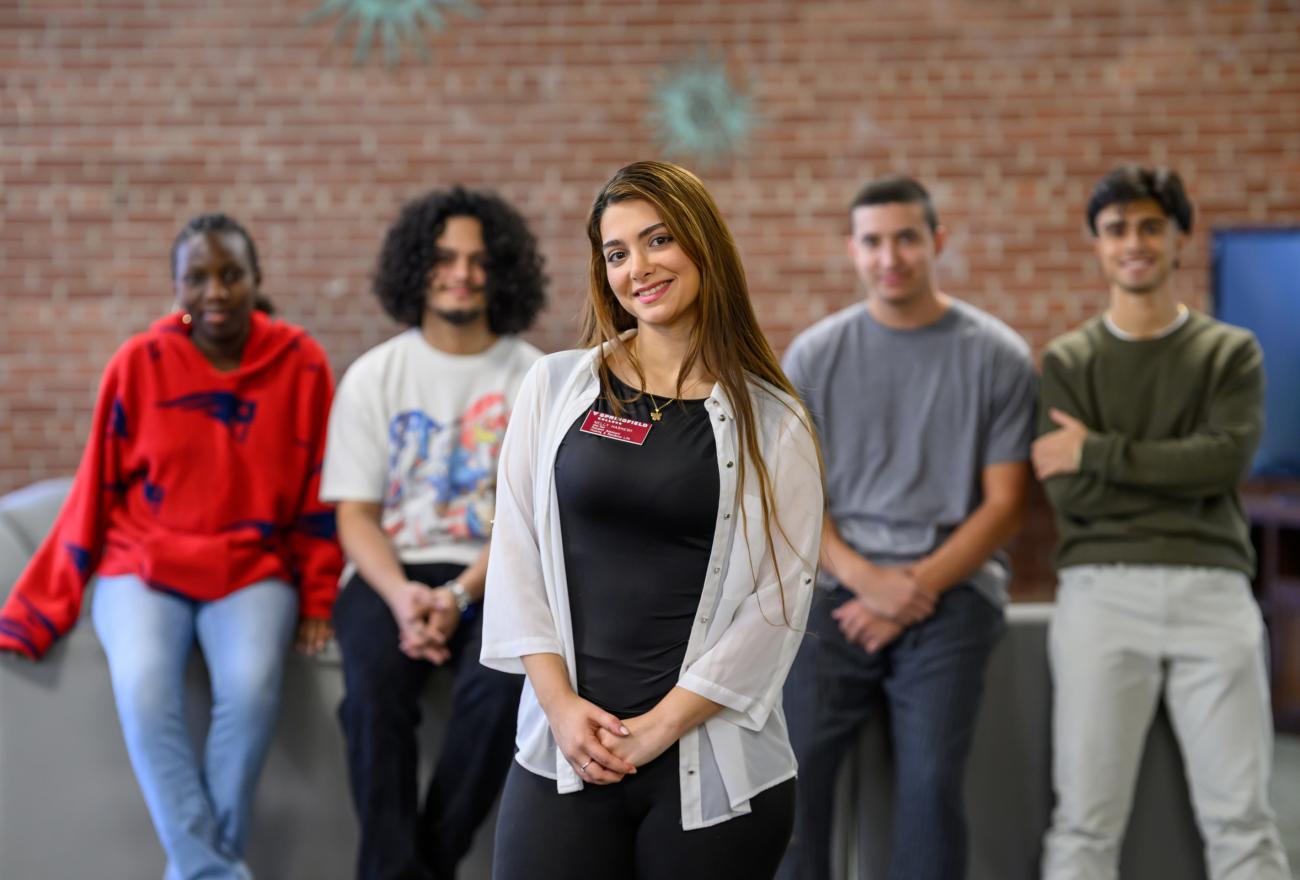
My favorite part is the dynamic on my floor. A lot of times, being an RA feels like being a low-key guardian. You aren't intruding on any single person's privacy, but you are creating a space where residents know they can knock on your door for anything—from a missing package to a personal crisis. Those are the moments, like sitting down with a student to talk through a tough week, where the job feels most meaningful.
It has been a great experience in my academic life for learning empathy, patience, and making tough decisions under pressure. Beyond graduation, however, I am confident that the skills I have honed here are my secret weapons: time management, conflict resolution, building trust, and leading with understanding. These are not just RA skills; these are life skills. Having this role on my resume conveys to a future employer that I am someone people can rely on, a team player who has an understanding of human dynamics.
About the author
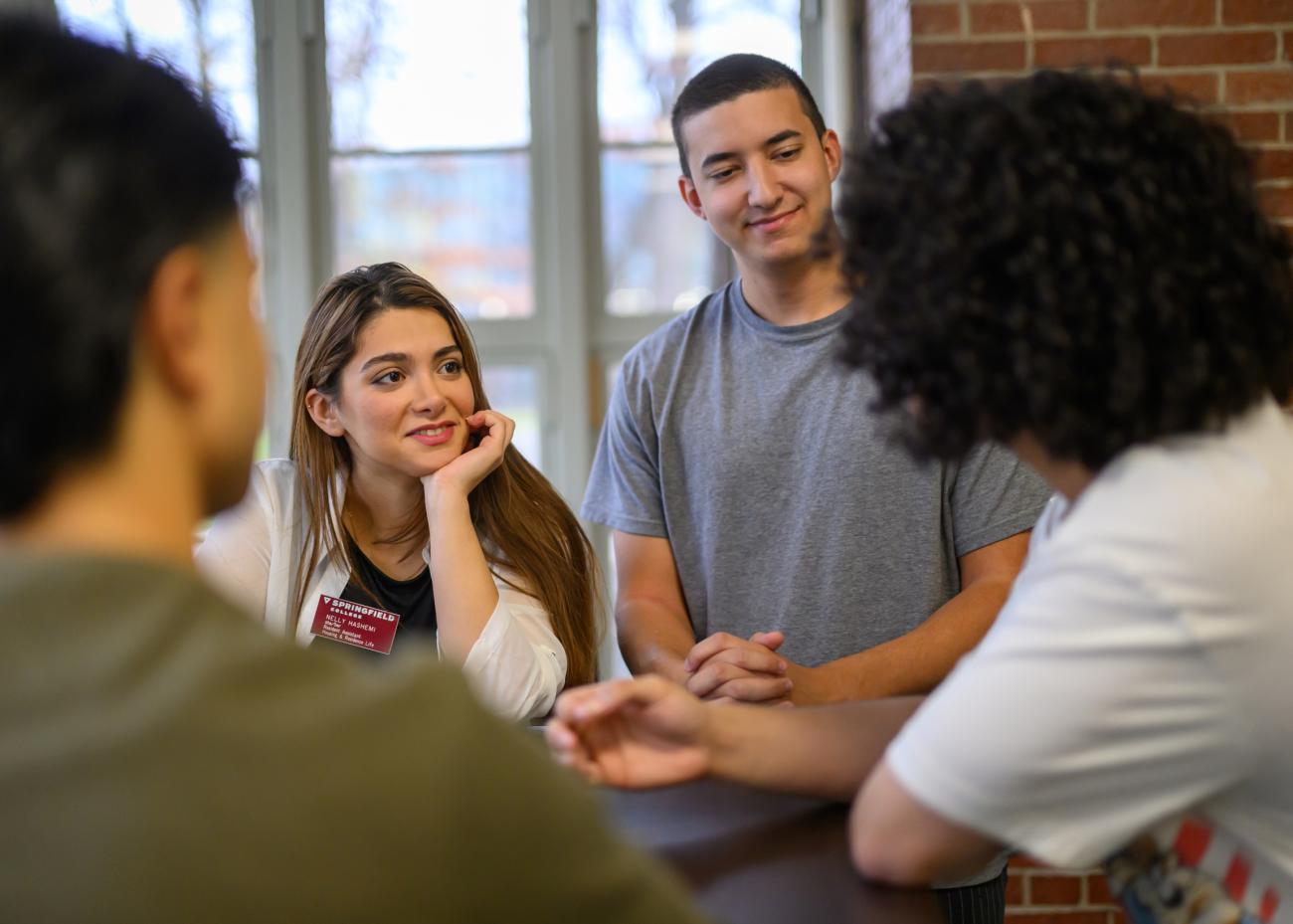
Nozhan “Nelly” Hashemi is a second-year Health Science major at Springfield College who brings the vibrant culture of her hometown of Mashhad, Iran, to her job as a resident assistant in Abbey-Appleton Hall. Nelly believes that being an RA is more than a title; she wants to help foster a community in which everyone feels they have a home. Her dream of becoming a neuroscientist is close to her heart. She is captivated by the brain's ability to influence the way we connect with one another, and she is genuinely excited to help discover cures that can improve people's lives. Nelly is committed to making a difference through her work and in her pursuit of studying the future of cognition, and while she seeks to make progress in the residence hall.